Getting your house ready to sell can feel overwhelming, especially when you are trying to decide what actually matters and what can wait. In Phenix City, where buyers may compare homes on both sides of the river and listings often sell for about 2% below list price in a market that is only somewhat competitive, smart prep can make a real difference. The good news is you do not need a full remodel to make a strong impression. You need a plan that removes objections, improves first impressions, and helps your home shine online and in person. Let’s dive in.
Know what Phenix City buyers may notice first
Phenix City sits across the Chattahoochee from Columbus, and many buyers search the broader Columbus metro area rather than one city alone. That means your home is not just competing with nearby listings in Russell County. It may also be compared with homes across the river, so presentation and pricing matter.
Recent market data shows a median sale price around $250,000, homes selling in about 44.5 days, and an average sale at about 2% below list price. That kind of market usually rewards sellers who focus on condition, clean presentation, and realistic pricing instead of pouring money into major upgrades right before listing.
Start with repairs that remove red flags
Before you think about paint colors or new décor, handle the items that could raise concerns during a showing or inspection. Visible problems tend to make buyers wonder what else has been missed. A home that feels cared for often feels more trustworthy from the start.
In Phenix City, local property maintenance rules also make the basics important. Exterior property should be kept clean, safe, and sanitary, weeds cannot exceed 12 inches, and walkways, stairs, driveways, and similar areas should be free from hazardous conditions. The city also notes that carbon monoxide detectors are required in dwelling units.
Focus on safety and function
Start with the issues that buyers and inspectors are most likely to flag, such as:
- Leaks
- Loose railings
- Broken steps
- Trip hazards
- Burned-out light bulbs
- Rubbish or debris outside
- Overgrown weeds or neglected landscaping
These fixes are usually more important than cosmetic upgrades because they help your home feel move-in ready and reduce the chance of a buyer getting distracted by preventable concerns.
Check permits before bigger projects
If you are thinking about doing more than touch-up work, pause before you begin. Phenix City says permits are usually required for many residential projects, including additions, decks, garages, fences, fireplaces, pools, water heaters, renovations, electrical systems, plumbing systems, and HVAC systems.
If a pre-listing project falls into one of those categories, check with the local code official first. Unpermitted work can complicate a sale, while permit records can give buyers more confidence.
Keep records organized
As you make repairs or replace items, keep the paperwork in one place. Save receipts, warranties, and permit records so you can easily share what has been done if questions come up later.
That kind of preparation matters in Alabama, where caveat emptor still applies to existing homes. Sellers and agents generally are not required to disclose defects unless asked, except for issues that may pose an immediate health or safety risk, but they also cannot misrepresent a condition when asked. Having clear records helps you answer questions accurately and keep the transaction moving.
Make low-cost updates where they count
One of the biggest mistakes sellers make is spending too much on the wrong improvements. In this market, strategic touch-ups often do more for your sale than a large remodel. Your goal is not to make the home look brand new. Your goal is to help buyers picture themselves there without seeing a long to-do list.
National staging data points to a simple formula. The most common recommendations are decluttering, cleaning the whole home, and improving curb appeal. Buyers also respond well when the main living areas feel open, neutral, and easy to understand.
Declutter and depersonalize key rooms
Focus first on the spaces that shape a buyer’s overall impression:
- Living room
- Kitchen
- Primary bedroom
- Dining area
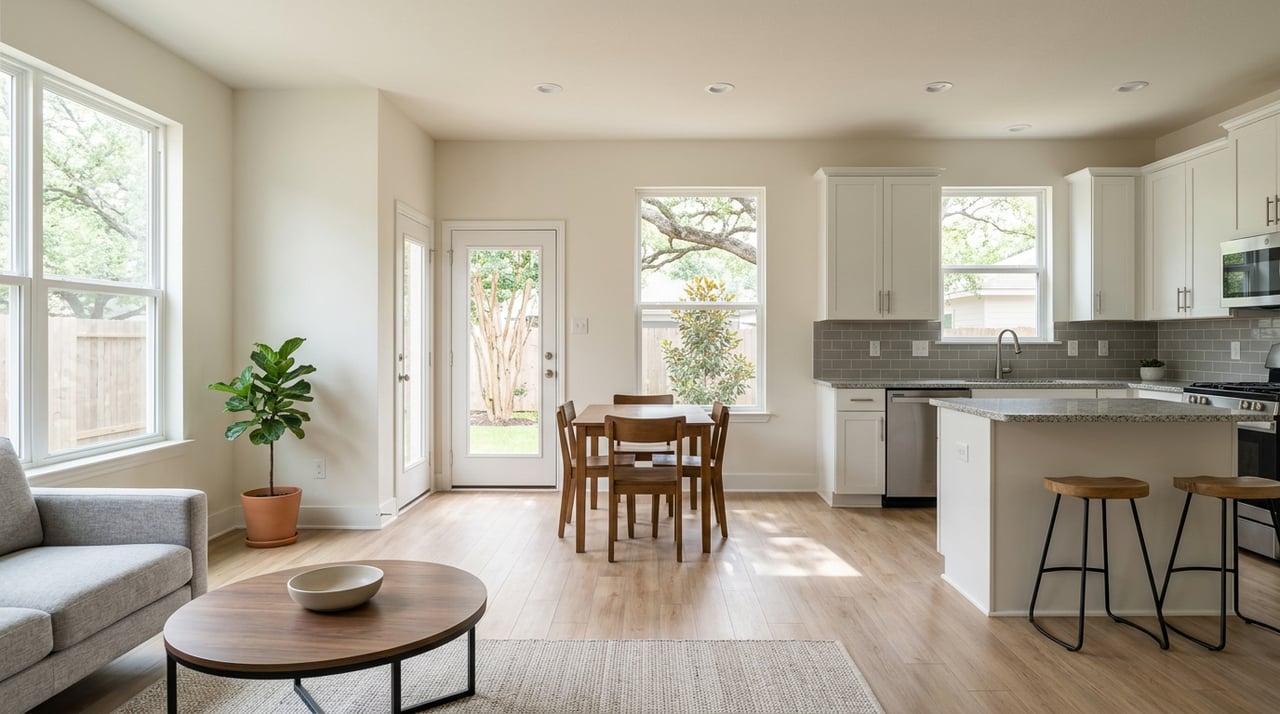
Clear counters, reduce extra furniture, simplify décor, and put away highly personal items. A cleaner, calmer room usually looks larger in person and in photos.
Clean like the photos are tomorrow
A deep clean is one of the highest-value steps you can take. Pay close attention to floors, baseboards, kitchens, bathrooms, windows, and light fixtures. Clean homes signal routine care, and that can influence how buyers feel about the rest of the property.
If your home is occupied, aim for a level of clean that you can maintain during showings. That usually means creating easy daily routines for counters, dishes, laundry, and pet items.
Use simple cosmetic refreshes
Small updates can go a long way when they support a clean, neutral look. In many homes, the most useful pre-listing updates include:
- Neutral touch-up paint
- Brighter light bulbs
- Clean or refreshed flooring
- Pressure washing exterior surfaces
- Minor caulk or trim touch-ups
These are often more cost-effective than customized upgrades that may not match a buyer’s taste.
Boost curb appeal for Phenix City conditions
Exterior upkeep matters in any market, but it is especially important in a place where heat, rain, and seasonal wear can add up over time. Climate data from nearby Columbus shows annual normal precipitation of 46.75 inches and warm conditions that can be tough on exterior surfaces. That makes basic upkeep more important than many sellers realize.
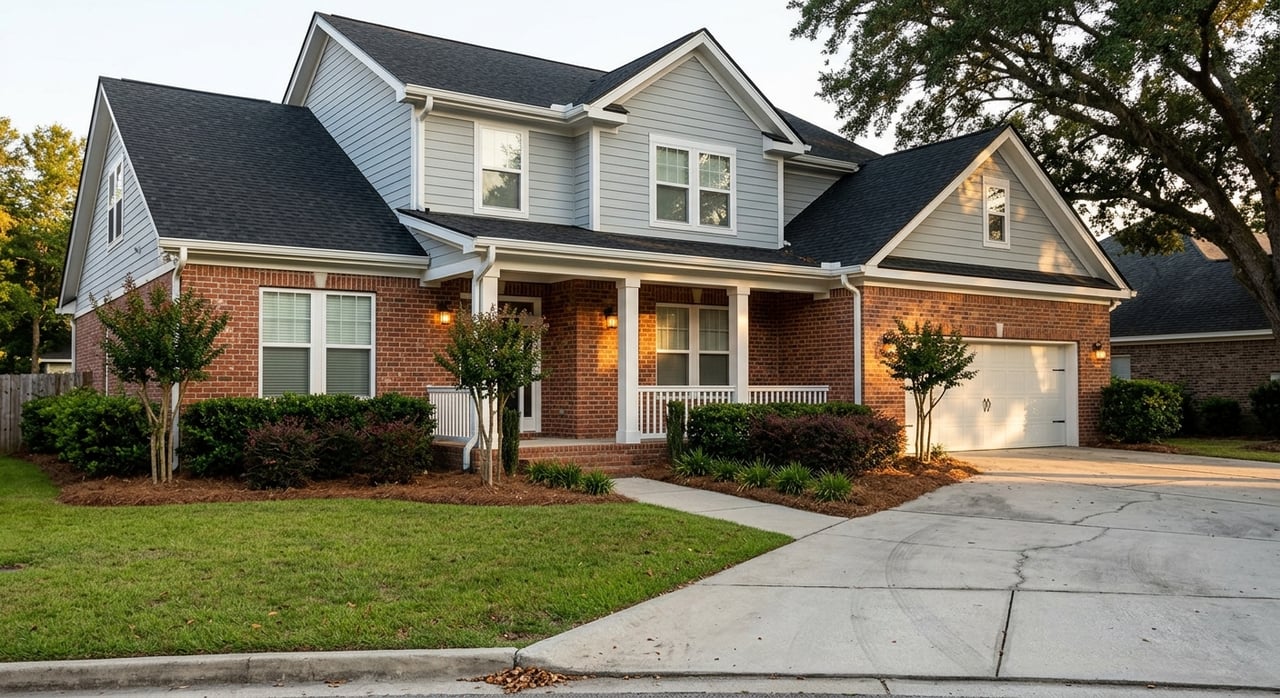
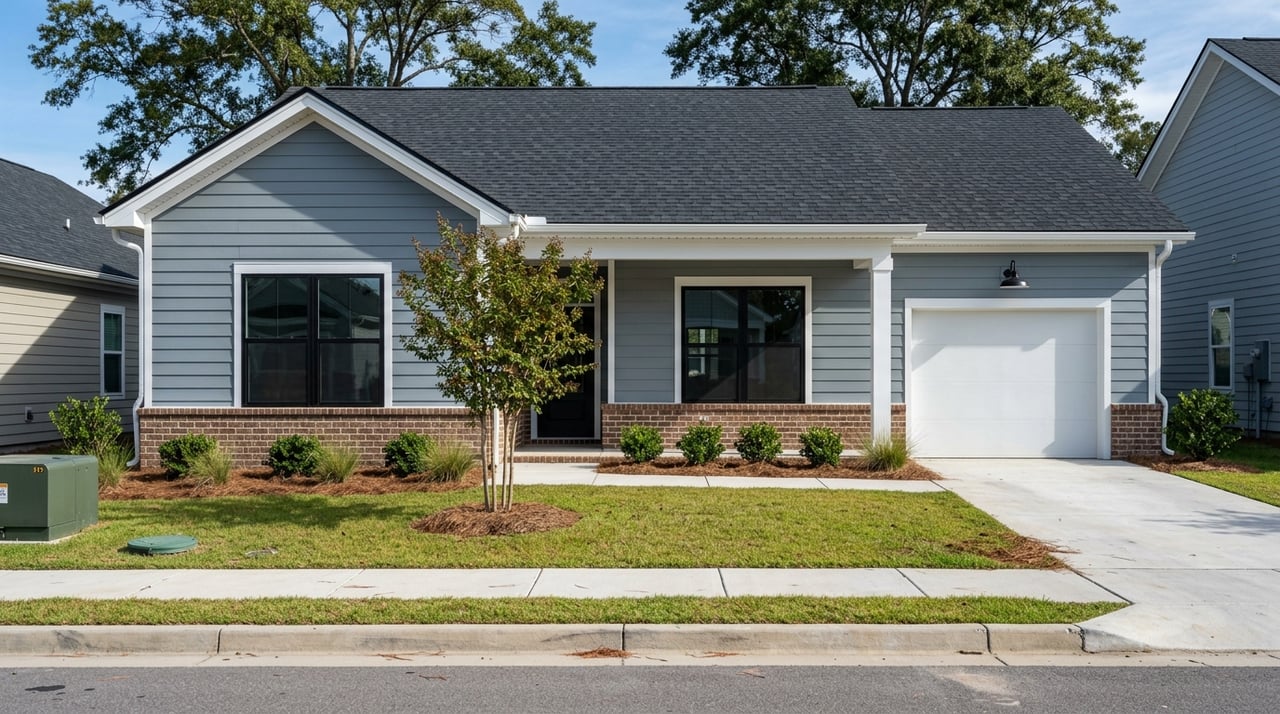
You do not need a dramatic landscape project. You need the outside of your home to look maintained, safe, and ready for the next owner.
Tidy the yard and entry
Start with the basics:
- Mow the lawn
- Trim shrubs
- Edge flower beds
- Refresh mulch if needed
- Remove weeds and yard debris
- Sweep porches and walkways
- Clear out rubbish or unused items
This helps your property meet local maintenance expectations while improving the first impression from the street.
Look closely at wear points
Walk around your home and check the areas that often show age first, including:
- Gutters and roof edges
- Peeling or faded paint
- Cracked caulk
- Driveway surfaces
- Drainage around the home
You are not looking for perfection. You are looking for visible signs of deferred maintenance that could make buyers hesitate.
Prepare your home for online shopping
Most buyers start online, and nearly all buyers use the internet during their search. Many also search on mobile devices, and listing photos remain one of the most useful features when buyers decide which homes to tour. In other words, your home needs to look strong on a screen before it can win in person.
This is where many sellers leave money on the table. They clean for showings but forget that the first showing often happens in the listing photos.
Get photo-ready before the photographer arrives
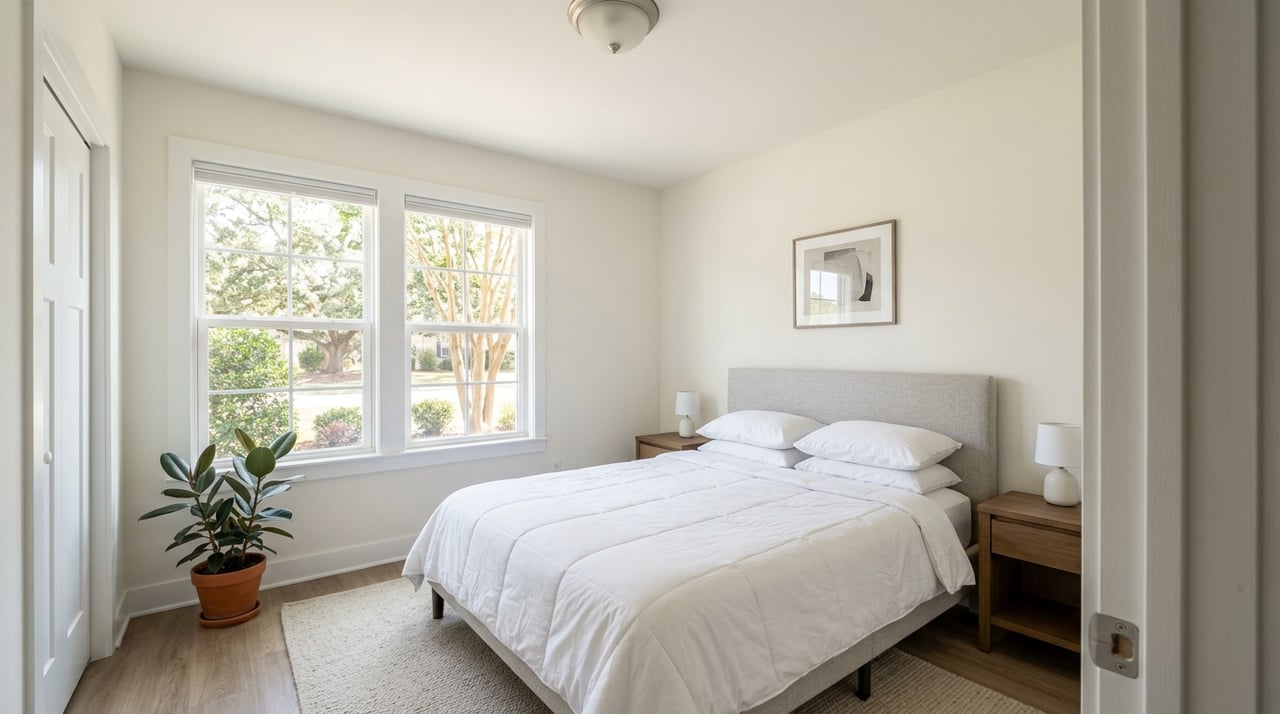
Before photos are taken, make sure your home is fully ready, not almost ready. That includes:
- Clear kitchen and bathroom counters
- Make all beds neatly
- Open blinds or curtains for natural light
- Turn on lights
- Organize closets that may be photographed
- Minimize personal clutter
- Put away pet supplies when possible
Staging does not have to mean renting furniture. It often means editing the home so each room reads clearly and feels easy to picture as a future home.
Think beyond the front door
Because buyers may only visit a handful of homes in person, your online presentation needs to earn that appointment. Strong photos, and when offered in the marketing plan, video or virtual tour assets, work best when the home is already clean, bright, and uncluttered.
That is one reason pre-listing prep matters so much. It supports every part of the marketing process that follows.
Be ready for questions before listing
Even in a buyer-beware state, preparation still helps sellers avoid surprises. Before your listing appointment, gather the information that can help with pricing, marketing, and buyer questions.
A simple seller packet might include:
- Repair invoices
- Appliance or system warranties
- Utility information
- Permit records
- A short list of known issues to discuss openly
This does not just make your agent’s job easier. It can help your home go to market with fewer last-minute delays and a clearer strategy.
Focus on objection removal, not perfection
If you are selling in Phenix City, the goal is not to create a magazine spread. The goal is to remove the reasons a buyer might hesitate. In a market where homes are selling, but not instantly, the homes that feel clean, cared for, and well-presented often have the advantage.
That means fixing the obvious issues, handling basic exterior upkeep, using low-cost cosmetic updates wisely, and making sure the house is truly ready before photos and showings begin. When you take that approach, you give buyers fewer reasons to pause and more reasons to make an offer.
If you want practical guidance on what to fix, what to skip, and how to position your home for today’s Phenix City market, Ron Jones can help you create a smart plan and move forward with confidence.
FAQs
What repairs should you make before listing a home in Phenix City?
- Focus on leaks, loose railings, broken steps, trip hazards, burned-out lights, overgrown weeds, and any visible exterior maintenance or safety concerns.
What pre-listing updates add the most value in Phenix City?
- Low-cost updates like decluttering, deep cleaning, neutral touch-up paint, pressure washing, brighter bulbs, and curb appeal improvements usually offer more value than major remodeling.
Do you need permits for home improvements before selling in Phenix City?
- Permits are usually required for many larger residential projects, including additions, decks, garages, fences, water heaters, renovations, electrical, plumbing, and HVAC work, so it is smart to confirm requirements before starting.
Why are listing photos so important when selling a Phenix City home?
- Most buyers use the internet during their home search, many begin online, and photos are one of the most useful listing features when buyers decide which homes to visit.
What documents should you gather before listing a home in Alabama?
- It helps to collect repair invoices, warranties, utility information, permit records, and notes about known issues so you can answer questions clearly and keep the sale on track.