Wondering whether you should repaint, replace, remodel, or just list your home as-is? If you are getting ready to sell in Phenix City, that question matters more than ever because buyers are moving quickly, but they are also paying close attention to condition. The good news is you do not need to guess where to spend your money. With the right pre-listing updates, you can focus on the changes that help your home show better, avoid buyer objections, and support a stronger sale. Let’s dive in.
Why smart updates matter in Phenix City
Phenix City’s market is moving at a solid pace, with current pricing landing roughly in the low-to-mid $200,000s and homes going pending in as little as 16 to 22 days, depending on the data source and time frame. In a market like that, presentation still matters because buyers often compare homes quickly and notice condition right away.
That does not mean you need a major remodel before you list. In most cases, the smarter strategy is to fix what stands out, improve first impressions, and avoid over-improving for the neighborhood. For many local sellers, the goal is not to create a luxury home. It is to make your home feel clean, cared for, and move-in ready.
Start with your likely price range
A practical update plan often depends on where your home will compete in the local market. Based on current Phenix City pricing, your budget decisions should stay tied to nearby comparable sales and the finish level buyers will expect in that range.
Under $200K homes
If your home is likely to sell under $200,000, put most of your budget toward the basics. Repairs, fresh paint, better lighting, and curb appeal usually matter more than bigger cosmetic projects.
At this price point, buyers tend to notice maintenance and cleanliness first. A well-presented home with simple updates can often outperform a home with more expensive but less practical improvements.
Around $200K to $275K homes
For homes in this range, it may make sense to go a step further. In addition to paint and repairs, selective flooring updates and minor kitchen or bath refreshes can help your home compete.
The key word is selective. You do not need a full renovation if nearby homes are selling with more modest finishes.
Above $275K homes
If your home will likely list above roughly $275,000, be more cautious about spending. Only invest in larger upgrades if nearby comparable homes clearly support that finish level and your current condition will hold you back.
This is where local pricing strategy matters most. A bigger budget does not always mean a bigger payoff.
The updates that usually make the best impression
When sellers ask what to do before listing, the answer is often simpler than they expect. The best pre-listing updates are usually visible, practical, and easy for buyers to appreciate during photos, showings, and inspections.
Fresh interior paint
Fresh paint remains one of the most commonly recommended updates before selling. Neutral walls help buyers focus on the space itself instead of bold colors, wear, or touch-up spots.
If your walls are scuffed, dark, or inconsistent from room to room, paint can make the whole home feel cleaner and more current. It is often one of the easiest ways to reduce buyer objections.
Curb appeal at the front door
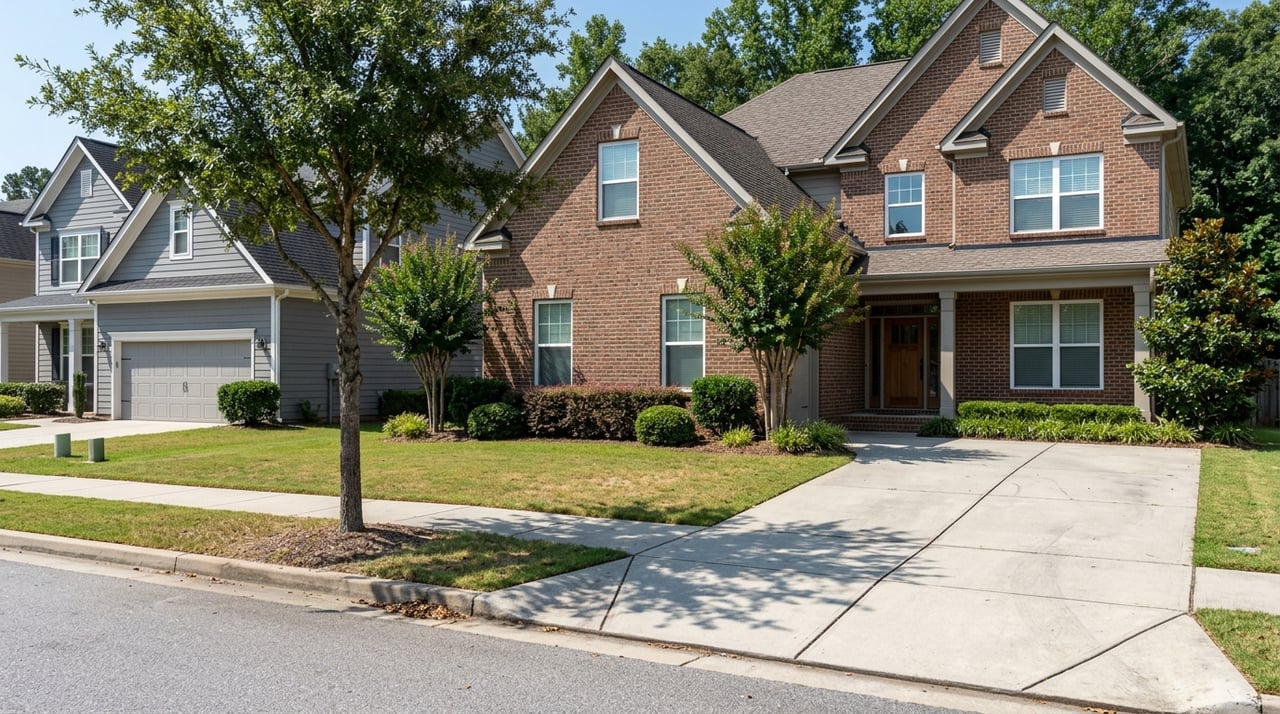
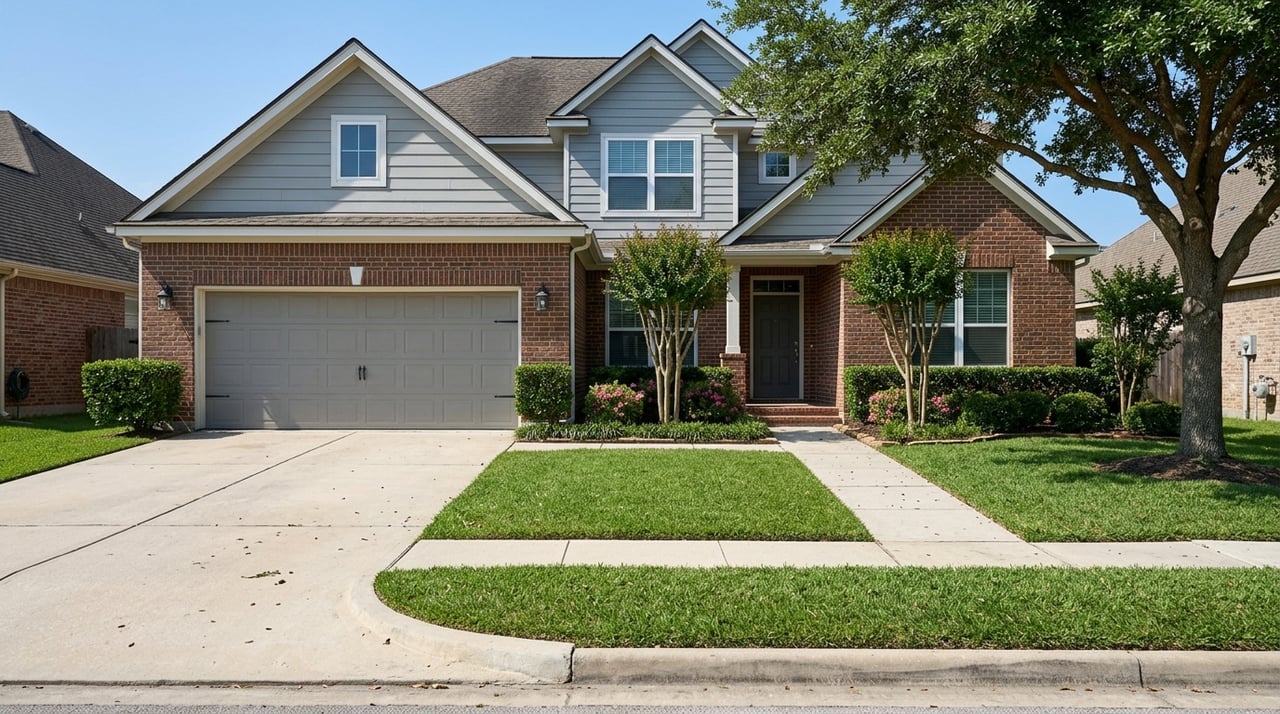
Your exterior sets the tone before buyers ever walk inside. That is why front-door appeal, garage-door appearance, and a neat yard can have an outsized effect on how your home is perceived.
Trim shrubs, edge the lawn, clear away clutter, and touch up peeling paint where needed. If your front door or garage door looks especially worn or dated, those updates may be worth a closer look because they tend to send a strong resale signal.
Flooring fixes that buyers will notice
Flooring can influence how clean and updated a home feels, but that does not always mean you should replace it. If the flooring is in good shape, deep cleaning, repairing damaged spots, or refinishing existing hardwood may be the better move.
The goal is to improve what buyers will actually notice. Replacing sound flooring just to chase a trend usually does not deliver the same value as fixing obvious wear.
Updated lights and fixtures
Small fixture changes can go a long way. Swapping dated light fixtures, worn hardware, or older outlet covers can help a home feel better maintained without a major expense.
These are the kinds of updates buyers tend to register quickly, even if they cannot name each one. Clean, simple finishes often help the whole home feel more polished.
Organized storage
Storage matters, especially in everyday living spaces. Closets, pantries, laundry areas, and bathroom storage should feel useful and easy to understand.
You may not need a full closet renovation, but organizing shelves, removing excess items, and improving layout can make a strong difference. Buyers often respond well to spaces that feel functional and uncluttered.
Focus on modest kitchen and bath refreshes
Kitchens and bathrooms matter, but full gut renovations usually do not make the most sense right before a sale. National remodeling data points to stronger resale performance from minor kitchen improvements than from complete kitchen or bathroom overhauls.
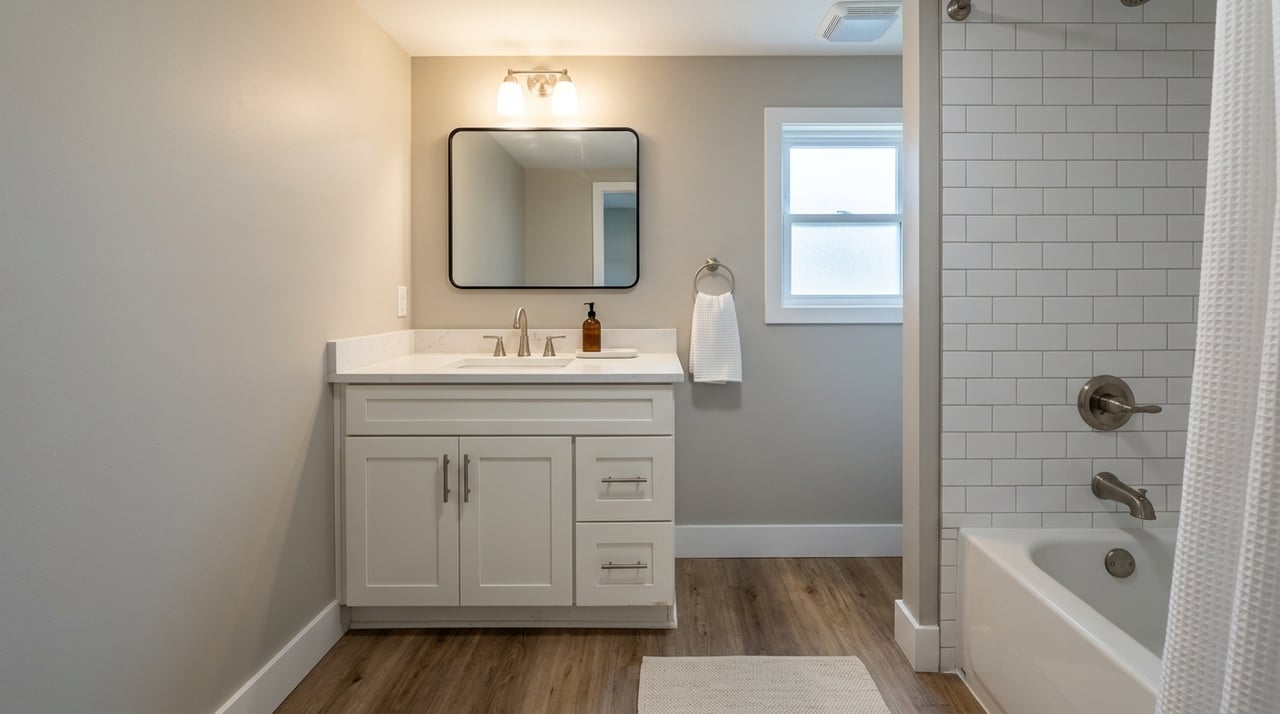
That is good news for many sellers in Phenix City. Instead of tearing everything out, focus on updates like paint, hardware, lighting, mirror swaps, recaulk work, or replacing a worn vanity top if it clearly dates the room.
If cabinets are solid, they may only need paint or cleaning. If the layout works, you usually do not need to reconfigure the room just to get ready for market.
What not to overspend on
Some projects are better for your own long-term enjoyment than for a short-term resale plan. If you are selling soon, be careful not to pour money into work that may not come back at closing.
Full remodels
Complete kitchen renovations, full bathroom renovations, and new primary suite additions often return less than sellers expect. These projects can improve your enjoyment of the home, but they are usually lifestyle decisions first, not the best last-minute listing strategy.
If your existing spaces are functional, a lighter refresh is often the safer move.
Major replacements without a clear reason
Large replacement projects should usually be condition-driven, not resale-driven. If a roof, HVAC unit, plumbing issue, or electrical problem is causing concern, fix the defect because buyers and inspectors will care.
If there is no meaningful issue, replacing a major system just to market the home may not be necessary. In many cases, that money can work harder elsewhere.
Over-customized finishes
Very personal finishes can narrow your buyer pool. If you are making changes before listing, stick with broad appeal and avoid bold style choices that may distract from the home itself.
Simple, neutral, and clean is usually the stronger path when your goal is to attract the widest range of buyers.
Know when permits and licensed work matter
If you are planning repairs or upgrades several months before listing, it is smart to check local requirements early. Phenix City’s residential permit guidance says general contractors must hold a State of Alabama Home Builder License, and separate Alabama licenses apply for electrical, plumbing, gas fitting, and HVAC or mechanical work.
The Alabama Home Builders Licensure Board also states that residential work exceeding $10,000 falls under the residential home-builder category. That means bigger projects should be vetted before you hire someone or start work.
For sellers, this matters because unpermitted or improperly completed work can create headaches during the sale. If a project touches core systems, treat it as a repair decision first and make sure the right professional is involved.
A simple timeline for pre-listing updates
If you want to avoid stress, start earlier than you think you need to. A clear timeline can help you spread out costs and make better decisions.
Six to twelve months before listing
Use this stage to inspect the home and separate true needs from nice-to-have wants. Get estimates, ask which repairs may affect marketability, and check permit or licensing requirements before starting larger work.
This is also the best time to think strategically. You want each dollar to support pricing, presentation, or a smoother sale.
Three to six months before listing
This is usually the sweet spot for visible updates. Tackle paint, flooring touch-ups, fixture swaps, and curb appeal improvements during this window.
These projects tend to improve first impressions without turning your sale prep into a long renovation.
Last 30 to 60 days
In the final stretch, shift your attention to staging, cleaning, and small punch-list items. Once the major repair and cosmetic work is done, these finishing touches can help your home photograph better and show more confidently.
Staging can be especially useful here. According to recent NAR staging research, 49% of agents said staging reduced time on market, and 29% saw a 1% to 10% increase in the dollar value offered when a home was staged.
Where to spend first
If you want a simple order of operations, start here:
- Curb appeal
- Paint and flooring fixes
- Lights and fixtures
- Staging
That order lines up well with how buyers experience a home. They see the outside first, then they react to overall condition, then they notice whether the home feels updated and easy to move into.
In today’s Phenix City market, that practical approach often makes more sense than chasing a major remodel. The best update plan is usually the one that helps your home compete clearly in its price range without spending money your neighborhood will not support.
If you are not sure which updates make sense for your home, local guidance matters. A smart pre-listing plan should match your price point, condition, and nearby comparable sales. When you are ready for clear advice and a strategy built around your goals, connect with Ron Jones.
FAQs
What pre-listing updates matter most for Phenix City home sellers?
- For many Phenix City sellers, the best first moves are curb appeal, fresh neutral paint, flooring fixes, updated fixtures, and staging after repairs and cleaning are complete.
Should Phenix City sellers remodel the kitchen before listing?
- Usually, a modest kitchen refresh makes more sense than a full remodel. Minor updates often offer better resale value than a complete renovation right before a sale.
Do Phenix City home sellers need permits for repairs before listing?
- Some projects may require permits or licensed contractors, especially for electrical, plumbing, gas, HVAC, or larger residential work. Check local Phenix City requirements before starting.
How much should I spend before listing a home in Phenix City?
- It depends on your likely price range, your home’s condition, and nearby comparable sales. In many cases, focused repairs and visible cosmetic updates are a better use of money than major remodeling.
Is staging worth it for Phenix City homes for sale?
- It can be. Recent staging research found that staging often helps reduce time on market and can improve the dollar value buyers offer once the home is already clean and repaired.