Wondering why one vacant lot in Phenix City gets builder interest fast while another sits untouched? It usually comes down to more than acreage or a good-looking street. If you own land, are thinking about buying a lot, or want to market an infill parcel to a local builder, it helps to know what actually drives interest. Let’s break down what local builders look for in Phenix City residential lots and why those details matter before anyone makes an offer.
Zoning Comes First
Before a builder looks at house plans, they look at whether the lot can legally support a home. In Phenix City, residential zoning districts have different minimum lot sizes, widths, and setback rules, so a parcel that seems usable at first glance may not actually fit a standard build.
For example, the city’s zoning ordinance requires 12,500 square feet and 90 feet of lot width in R-1, 9,000 square feet and 80 feet in R-1A, and 7,500 square feet and 75 feet in R-1B. In R-2 and R-3, single-family lots require 4,000 square feet per unit and 60 feet of width. Those numbers matter because builders need enough room not just for the house, but also for required yards and practical site layout.
Lot Size Is Not the Same as Buildable Area
A lot can meet the square footage requirement and still be hard to build on. Side setbacks, rear setbacks, and front-yard requirements can shrink the usable footprint quickly, especially on narrow or irregular parcels.
That is why builders study the actual shape of the lot, not just the acreage listed in a sale ad. A deep but skinny lot, for example, may create design limits that affect construction cost and resale value.
Infill Rules Can Help Older Blocks
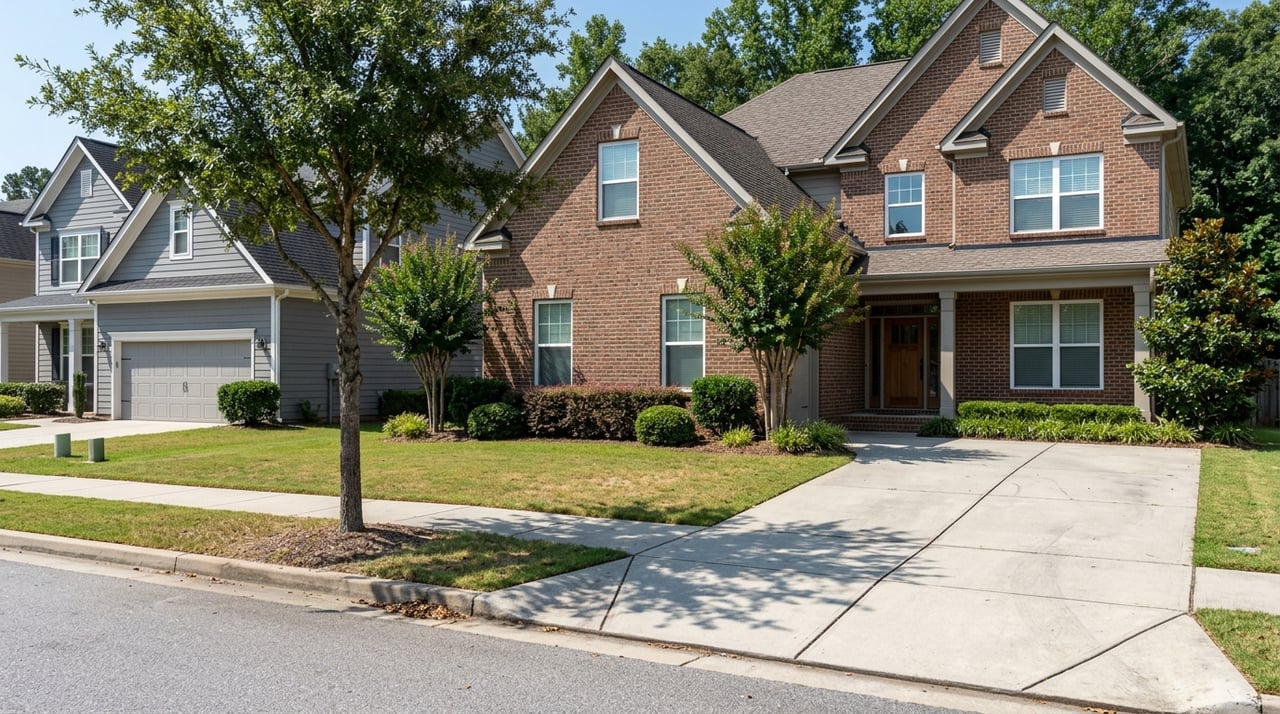
For infill lots, builders also check nearby homes on the same block. Phenix City allows a reduced front-yard setback in certain cases when surrounding developed homes within 100 feet on either side have shallower front yards than the ordinance minimum.
This can make some older vacant lots more workable than they first appear. It also means the homes already on the street can directly affect what kind of new house makes sense on that parcel.
Frontage and Access Matter
Builders want lots that are easy to access and simple to approve. In Phenix City, subdivision regulations require every lot to adjoin a dedicated public street with at least 25 feet of frontage, with limited exceptions.
If a parcel is landlocked, oddly shaped, or has a narrow access point, that can be a major problem. Even if the lot has enough total land, weak access can make it less attractive or stop the project entirely.
Why Flag Lots Raise Red Flags
Flag lots are heavily restricted. Inside Phenix City corporate limits, they are prohibited, and where they are allowed in the planning jurisdiction, the access strip must be at least 25 feet wide throughout and does not count toward minimum lot size.
That is a big reason builders often prefer straightforward rectangular lots with clear public-street access. Simpler access usually means fewer surprises during planning, review, and construction.
Utilities Can Make or Break Value
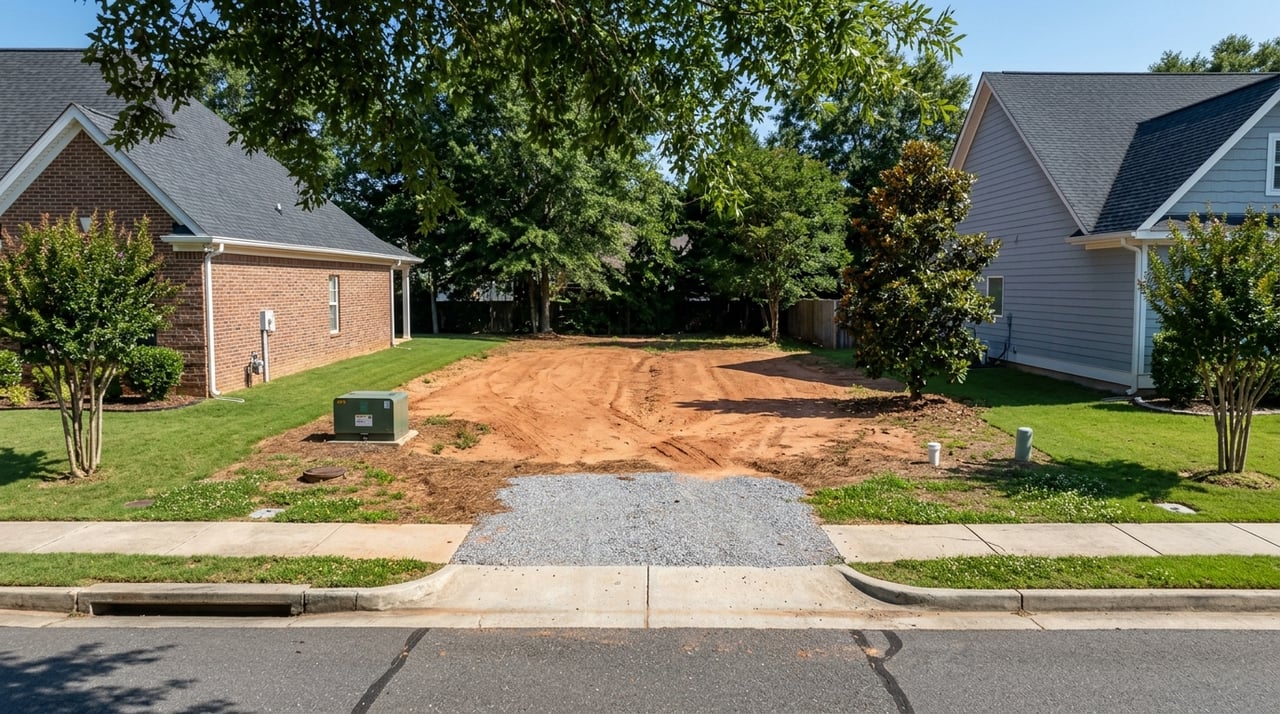
A raw lot is not automatically a ready-to-build lot. In Phenix City, builders pay close attention to whether water and sewer service can be connected without major extra cost.
The city provides water, sewer, and garbage service to most residents inside city limits, but service availability can vary based on infrastructure patterns and annexation lines. Builders usually confirm utility access early because a nearby line does not always mean an easy or affordable connection.
Builders Want Confirmed Utility Plans
Phenix City’s subdivision regulations are clear on utility expectations. Where public water is reasonably accessible, the subdivider must provide water mains and a stub-out for each lot. Where public sanitary sewer is reasonably accessible, the subdivider must connect to it and provide a sewer service connection to the property line.
If sewer is not reasonably accessible, a private system may be allowed only if it meets applicable state, health, environmental, and city requirements. That adds another layer of review, which is why many builders place a premium on lots with straightforward public utility access.
Easements Affect House Placement
Utility planning is not just about whether service exists. Sewer lines and easements cannot dissect the buildable area of a lot, which becomes especially important on narrow or unusual parcels.
A builder may pass on a lot if utility placement forces a poor house layout. Even a parcel in a good location can lose appeal if servicing it creates design problems or added cost.
Drainage and Floodplain Issues Matter Early
Lots that look fine from the road can still have hidden site issues. Phenix City’s subdivision regulations state that land subject to flooding or topographically unsuitable land will not be platted for residential occupancy.
That means builders want to know about floodplain status, drainage flow, and general site conditions before moving forward. A survey or site review can reveal issues that affect whether a lot is practical to develop.
Floodplain Review Is Not Optional
For subdivision plats, 100-year floodplain areas must be clearly marked, and base flood elevation data must be provided for development in flood hazard zones. Builders watch this closely because flood-related constraints can affect design, cost, insurability, and permitting.
If you are selling a lot, having clear information about floodplain status and site conditions can help serious buyers evaluate it faster. Unknowns tend to reduce confidence and slow down deals.
Permit Readiness Helps Lots Stand Out
Builders do not just want a legal lot. They want one that can move through the city process without unnecessary delays.
Phenix City’s residential permit checklist requires an E-911 verified address, permit application, stamped site plan showing BMP and utility locations, erosion-control permit, driveway permit, energy-code documentation, and a subdivision plat that matches the site plan. The city also requires the general contractor to hold an Alabama Home Builder license.
Ready Information Creates Buyer Confidence
When a seller can provide surveys, utility details, frontage information, and subdivision documents, that lot often feels less risky to a builder. The easier it is to confirm the path to construction, the easier it is for a builder to price the opportunity.
That does not mean every lot needs to be fully engineered before sale. It does mean that organized, accurate property information can make your parcel more marketable.
Neighborhood Fit Still Counts
Local builders are not just buying dirt. They are buying into a street pattern, surrounding home mix, and a price point the area can support.
Phenix City’s comprehensive plan points toward using existing infrastructure and undeveloped land for reinvestment in some areas, especially where infill makes sense. That can create opportunity, but the proposed home still needs to fit the lot and the broader neighborhood pattern.
Surrounding Homes Influence Design
In some central-city areas, housing stock is older, with many occupied homes built before 1960 and a notable share of vacant housing units. That does not describe every part of Phenix City, but it does show why builders often study each block closely before deciding what to build.
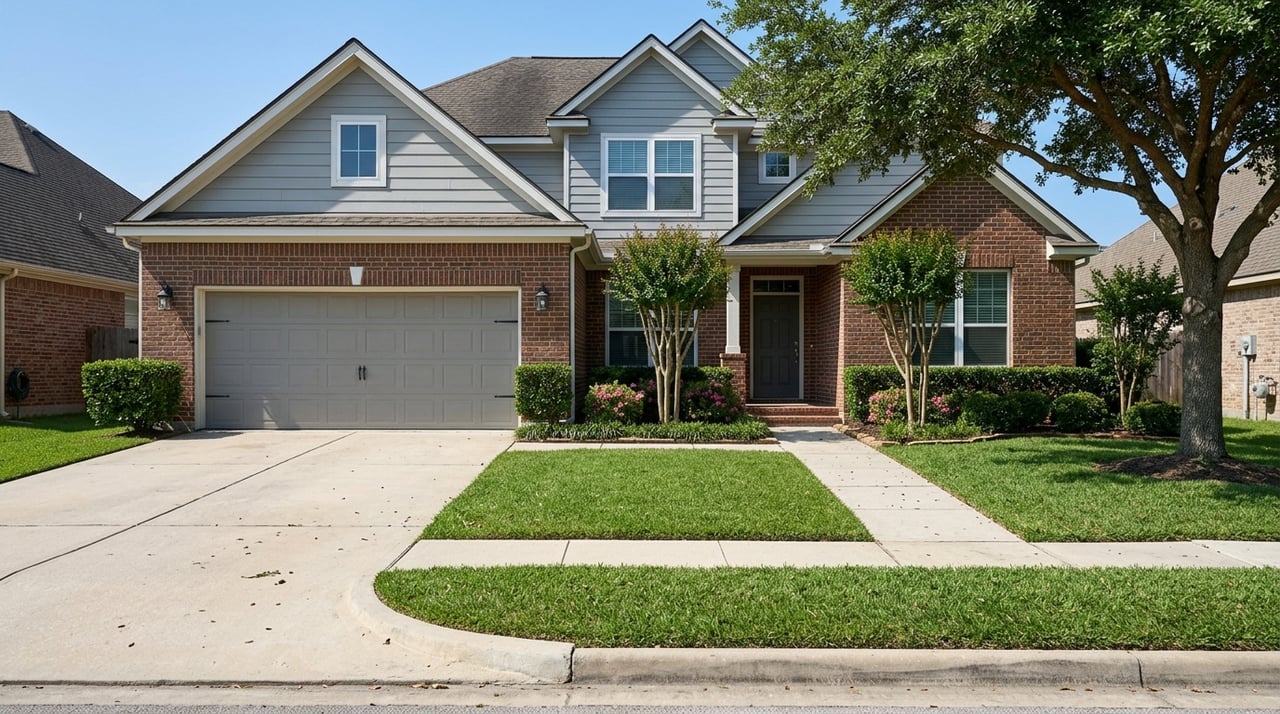
They look at lot widths, front-yard rhythm, rooflines, and the general scale of nearby homes. A new build that fits the existing pattern is often easier to plan, price, and sell.
Builders Watch the End Sales Price
At the end of the day, a lot is worth what it can support as a finished home. In Phenix City, builders usually pay close attention to affordability and buyer demand because the market is price-sensitive.
Census QuickFacts show a 2020 Census population of 38,816, median household income of $50,053, owner-occupied housing rate of 52.4%, median owner-occupied home value of $170,300, and a poverty rate of 24.5%. Those numbers suggest that builders need to be realistic about finished-home pricing, especially for starter and mid-market homes.
Current Market Activity Supports Demand
Recent market snapshots still show steady buyer activity. Zillow reports an average Phenix City home value of $214,768, up 5.7% year over year, with homes going pending in about 17 days and a median sale price of $246,833.
Realtor.com reports a median listing price of $274,950, a median sold price of $252,500, 227 active listings, and a median of 43 days on market, with homes selling for about asking price on average. The exact figures vary by source, but both sets of numbers point to active demand rather than a stalled market.
What Makes a Lot More Attractive
If you are trying to understand lot value through a builder’s eyes, these are usually the biggest boxes to check:
- Proper zoning for the intended residential use
- Minimum lot size and width for the district
- Public-street frontage and legal access
- Utility access that does not require major extension work
- Buildable area that is not blocked by easements
- Manageable drainage and floodplain conditions
- A lot shape that supports a practical house plan
- A finished-home price that fits local demand and nearby sales
When several of those pieces are uncertain, builders often lower their offer or move on. When the basics line up well, the lot becomes easier to market and easier to price.
Why Local Guidance Helps
Whether you own a vacant lot, inherited land, or are looking for an infill parcel for a small build, local details matter in Phenix City. Zoning, frontage, utilities, and neighborhood fit can all change the value story fast.
That is where a hyperlocal real estate perspective can help. Ron Jones works with buyers, sellers, and land owners across Phenix City and the surrounding area, including lots and infill opportunities that need practical market context. If you want help understanding how your lot may look to a local builder or how to position it for sale, reach out to Ron Jones for a conversation.
FAQs
What do builders check first on a residential lot in Phenix City?
- Builders usually start with zoning, minimum lot size, required width, setbacks, and whether the lot has legal frontage on a public street.
How much street frontage does a Phenix City lot need for residential use?
- Under the subdivision regulations, every lot generally must adjoin a dedicated public street with at least 25 feet of frontage, subject to limited exceptions.
Can a narrow or oddly shaped lot still work in Phenix City?
- Sometimes, but builders will look closely at setbacks, utility easements, and whether the usable building area can support a practical house plan.
Why do utilities matter so much for Phenix City lots?
- Utility access affects development cost, timeline, and feasibility because builders need to confirm whether water and sewer can be connected without major extra work.
Do floodplain issues affect residential lot value in Phenix City?
- Yes. Floodplain and drainage conditions can impact whether a lot can be developed, how it must be designed, and how attractive it is to a builder.
How does neighborhood fit affect a vacant lot in Phenix City?
- Builders often compare a lot to nearby homes, setbacks, lot widths, and likely resale price to make sure the finished house fits the surrounding area and local demand.